How do you stop a cat crawling inside a sofa?
The inside of a sofa is dangerous because mechanisms, staples, springs and entrapment can injure a hidden cat. Block access before using or moving furniture.
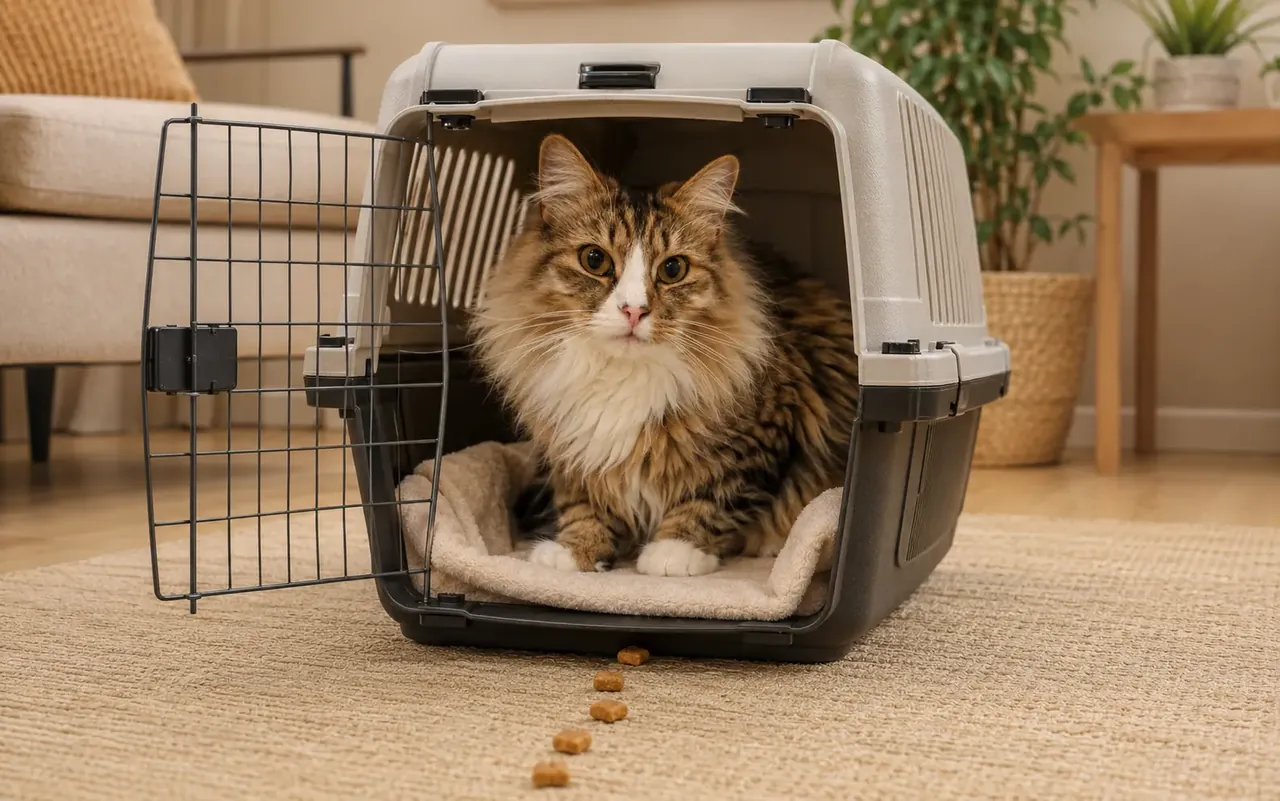 Topic illustration selected for this guide. Some learning images may be AI-assisted.
How do you stop a cat crawling inside a sofa — the quick answer
✓ Torn lining creates a dark enclosed space that can trap or crush a cat
✓ Block access with a securely fitted durable cover and repair every opening before using mechanisms.
✓ A trapped, injured, limping or breathing-compromised cat needs emergency veterinary care.
Torn lining creates a dark enclosed space that can trap or crush a cat. Recliners and sofa beds are especially hazardous because mechanisms move.
The short answer
Torn lining creates a dark enclosed space that can trap or crush a cat. Recliners and sofa beds are especially hazardous because mechanisms move.
What to observe
Inspect the underside and listen before sitting, folding or reclining.
How to read the situation
Recliners and sofa beds are especially hazardous because mechanisms move. Compare the pattern with your cat’s usual behaviour and consider timing, body language, appetite, litter-box use, mobility and recent changes.
What to do now
Block access with a securely fitted durable cover and repair every opening before using mechanisms.
What not to do
Do not punish, frighten, force or repeatedly test the cat. Avoid changing several things at once, because that makes the response harder to interpret.
When to contact a veterinarian
A trapped, injured, limping or breathing-compromised cat needs emergency veterinary care.
What to record
Write down when it began, how often it happens and what occurs immediately before and after. A short video, clear photo, food record or litter record can give the veterinary team useful context.
What to check first
Locate every torn dust cover and gap, especially on recliners and sofa beds. Confirm the cat's location before operating any mechanism.
DEEPER GUIDE1 more detailed sectionsOpen +
What to do next
Repair the underside with securely fixed durable material, block temporary gaps and provide a safe enclosed bed nearby. A trapped cat, crush injury, bleeding, limping or breathing difficulty requires emergency veterinary care.
Your quick checklist
Your progress is saved on this device.
Three simple things you can do
You do not have to change everything today. Pick one step that feels realistic, try it and see how your cat responds.
- 1Block access with a firmly attached pet-safe barrier.
- 2Check the sofa before reclining or moving mechanisms.
- 3Offer enclosed beds and tunnels nearby.
Common mistakes
×Operating a recliner without locating the cat.
×Using staples or loose material within reach.
×Trying to scare the cat out.
Questions cat people ask
Why does my cat crawl inside the sofa?+
The interior is dark, enclosed, warm and quiet, making it an appealing hidden den.
How do I get the cat out safely?+
Stop all mechanisms, keep exits open and lure calmly with food or play before securely blocking re-entry.
Still looking for the right answer?
Search the full EverYes Cats encyclopedia with your own words — a symptom, food, behaviour, breed or everyday question.
Checked, dated and transparent
- Prepared by
- EverYes Cats editorial team
- Last updated
- 14 August 2026
- Source checked
- 14 August 2026
- Primary reference
- Cats Protection ↗
We begin with the named reference, rewrite the information in plain language and add practical cat-parent steps. Urgent health statements are checked against veterinary sources. This guide has not been individually reviewed by a veterinarian unless explicitly stated. It provides education, not diagnosis or treatment.
Spotted something unclear or outdated? Tell us so we can review it.
Your answer helps us improve the cat encyclopedia.
Pawing a cupboard usually follows scent, sound, a learned food routine or curiosity. Secure the contents and reward a safer alternative instead of opening it on demand.