Persian: personality, care & health
Persian cats need substantial coat and facial care, while shortened facial structure can affect breathing, eyes, teeth and heat tolerance. Comfortable function matters more than an extreme appearance.
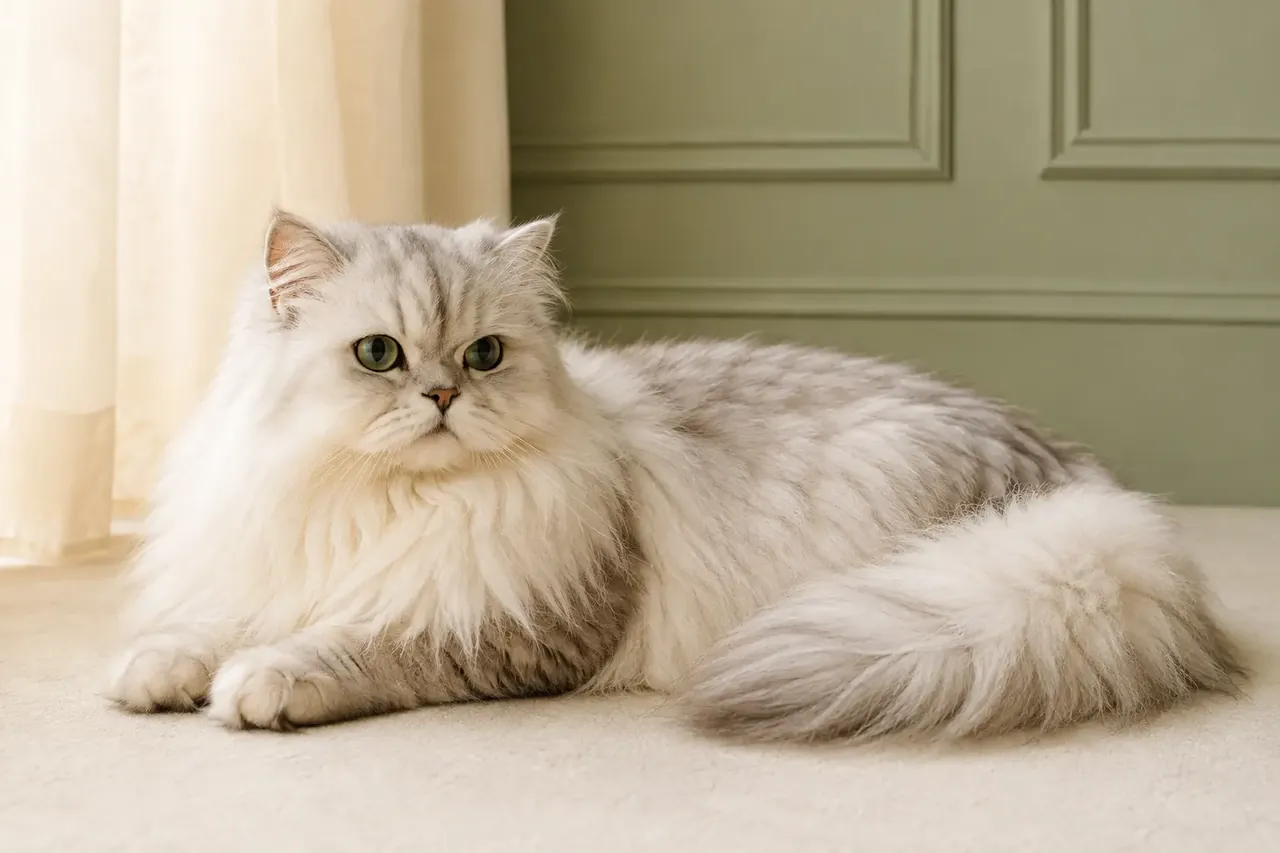 Topic illustration selected for this guide. Some learning images may be AI-assisted.
Persian: personality, care & health — the quick answer
✓ Long-coated flat-faced cats with intensive grooming and health needs.
✓ Daily coat and eye care may be needed; extreme facial shape can compromise breathing and welfare.
✓ Choose welfare and health over appearance
Long-coated flat-faced cats with intensive grooming and health needs. Breed descriptions are tendencies, never promises: early experience, health and the individual cat shape daily life.
Choose health before appearance
Observe the cat resting, walking, playing and eating. Open nostrils, quiet effortless breathing and comfortable movement matter more than a very flat face or heavy coat. Ask a breeder how they select for functional features and meet the mother when possible.
Make grooming gentle and routine
Comb small sections to the skin before tangles tighten, focusing on the armpits, chest, belly and hindquarters. Never cut close mats with scissors because thin skin can be pulled into the mat. Painful or extensive matting needs veterinary or experienced professional help.
Care for eyes, face and teeth
Wipe facial moisture gently with veterinary guidance, using a separate clean soft pad for each eye. Persistent staining may be cosmetic, but redness, squinting, cloudiness, discharge or rubbing needs assessment. Arrange preventive dental care because facial structure can crowd teeth.
Plan a cool accessible home
Offer broad bowls, a large litter tray, stable low-impact routes and cool resting areas. Track body condition beneath the coat and never rely on shaving as heat protection. Avoid stressful activity in warm conditions and provide fresh water choices.
Treat breathing trouble seriously
Noisy, effortful or open-mouth breathing, blue or pale gums, collapse or overheating is not a normal breed trait and requires urgent veterinary care. Reduced appetite, eye pain, skin disease or a sudden grooming change also deserves prompt advice.
Your quick checklist
Loading saved progress…
Three simple things you can do
You do not have to change everything today. Pick one step that feels realistic, try it and see how your cat responds.
- 1Observe your cat’s individual baseline.
- 2Make one gentle change at a time.
- 3Ask a qualified professional when health or safety is involved.
Common mistakes
×Waiting for a dramatic symptom instead of noticing smaller changes from the cat’s normal routine.
×Changing several things at once, making it difficult to learn what actually helped.
×Treating general guidance as a substitute for advice from a veterinarian who knows the individual cat.
Questions cat people ask
Does every cat follow the same rule?+
No. Age, health, history, temperament and environment all change what works for an individual.
When should I seek professional help?+
Seek veterinary advice for sudden, persistent or concerning changes and urgent help for breathing difficulty, collapse, seizures, poisoning or urinary obstruction signs.
Still looking for the right answer?
Search the full EverYes Cats encyclopedia with your own words — a symptom, food, behaviour, breed or everyday question.
Checked, dated and transparent
- Prepared by
- EverYes Cats editorial team
- Last updated
- Source checked
- Primary reference
- AAHA/AAFP Feline Life Stage Guidelines ↗
We begin with the named reference, rewrite the information in plain language and add practical cat-parent steps. Urgent health statements are checked against veterinary sources. This guide has not been individually reviewed by a veterinarian unless explicitly stated. It provides education, not diagnosis or treatment.
How we choose and use sources →
Spotted something unclear or outdated? Tell us so we can review it.
Loading your saved choice…
British Shorthairs are dense-coated, sturdy cats often described as calm, but individuals differ. Support comfortable movement, watch body condition and verify health information rather than relying on appearance.
 01
 02
 03
 04
 05
 06