Keeping cats safe in cold weather
Cold, wet and windy weather is especially risky for kittens, seniors and cats with health problems. Provide warm dry indoor access and check vehicles before starting them.
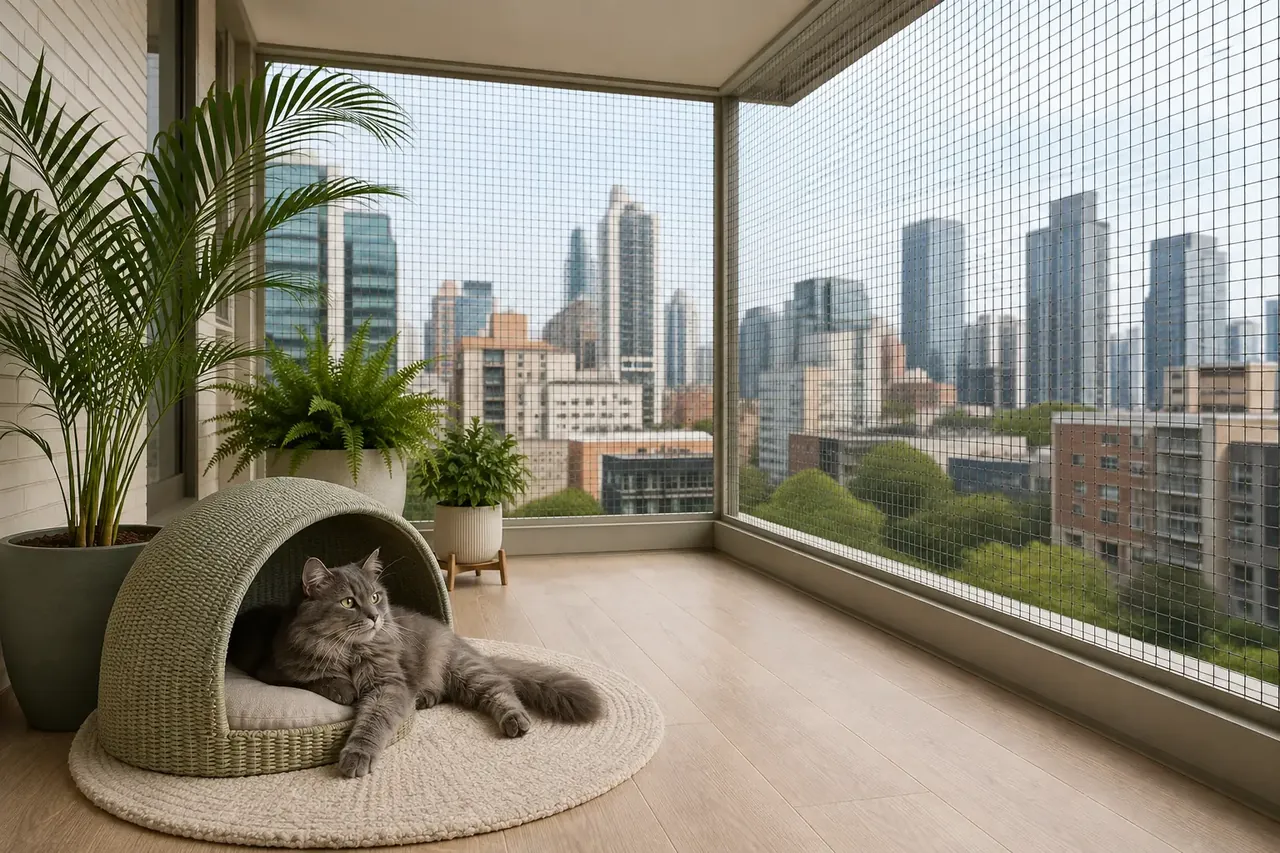 Topic illustration selected for this guide. Some learning images may be AI-assisted.
Keeping cats safe in cold weather — the quick answer
✓ Outdoor hiding places such as sheds, wheel arches and warm engines can create additional hazards.
✓ Keep cats indoors during severe weather, provide warm dry beds and check vehicles before starting them.
✓ Weakness, shivering, cold extremities, slow breathing or reduced responsiveness requires urgent veterinary help.
Cold, wet and windy conditions increase heat loss, especially for kittens, seniors and cats with health problems.
The short answer
Cold, wet and windy conditions increase heat loss, especially for kittens, seniors and cats with health problems.
Why it may happen
Outdoor hiding places such as sheds, wheel arches and warm engines can create additional hazards.
Read the whole situation
One behaviour rarely has one guaranteed meaning. Compare it with your cat’s age, health, posture, appetite, litter habits, environment and usual pattern before drawing a conclusion.
What to do now
Keep cats indoors during severe weather, provide warm dry beds and check vehicles before starting them.
What not to do
Avoid punishment, forced handling and sudden large changes. They can add fear while hiding the information that would help you understand the original cause.
When to contact a veterinarian
Weakness, shivering, cold extremities, slow breathing or reduced responsiveness requires urgent veterinary help.
Keep a useful record
Write down when it started, how often it happens and what immediately precedes and follows it. Photos, weights or short videos can make a veterinary or behaviour consultation more productive.
Make the safer choice before the temperature drops
Keep cats indoors during severe weather, dry a wet coat and provide several warm beds away from draughts. Confirm sheds and garages cannot trap a cat. Tap the bonnet and inspect around wheels because cats may seek warmth near engines.
DEEPER GUIDE1 more detailed sectionsOpen +
Respond to possible hypothermia
Shivering may stop as a cat becomes more unwell. Weakness, cold extremities, pale gums, slow breathing or reduced responsiveness needs urgent veterinary help. Wrap gently in dry blankets, avoid direct intense heat and follow emergency transport advice.
Your quick checklist
Your progress is saved on this device.
Three simple things you can do
You do not have to change everything today. Pick one step that feels realistic, try it and see how your cat responds.
- 1Provide dry insulated shelter and warm indoor access.
- 2Check paws and fur for ice, salt and chemical residue.
- 3Tap and physically inspect vehicles before starting them.
Common mistakes
×Assuming a thick coat prevents hypothermia.
×Using salt or antifreeze where cats can lick it.
×Leaving wet bedding in outdoor shelters.
Questions cat people ask
How cold is too cold for a cat?+
There is no single safe temperature for every cat. Age, health, coat, wind, moisture and shelter change risk substantially.
What are signs of hypothermia?+
Shivering may progress to weakness, slow breathing, confusion and cold pale skin. Warm gradually and seek emergency veterinary care.
Still looking for the right answer?
Search the full EverYes Cats encyclopedia with your own words — a symptom, food, behaviour, breed or everyday question.
Checked, dated and transparent
- Prepared by
- EverYes Cats editorial team
- Last updated
- 13 August 2026
- Source checked
- 13 August 2026
- Primary reference
- Cats Protection ↗
We begin with the named reference, rewrite the information in plain language and add practical cat-parent steps. Urgent health statements are checked against veterinary sources. This guide has not been individually reviewed by a veterinarian unless explicitly stated. It provides education, not diagnosis or treatment.
Spotted something unclear or outdated? Tell us so we can review it.
Your answer helps us improve the cat encyclopedia.
Keep cats safe in heat with shade, airflow, fresh water and access to cooler surfaces. Never leave a cat in a parked vehicle or an enclosed sun-heated room.